








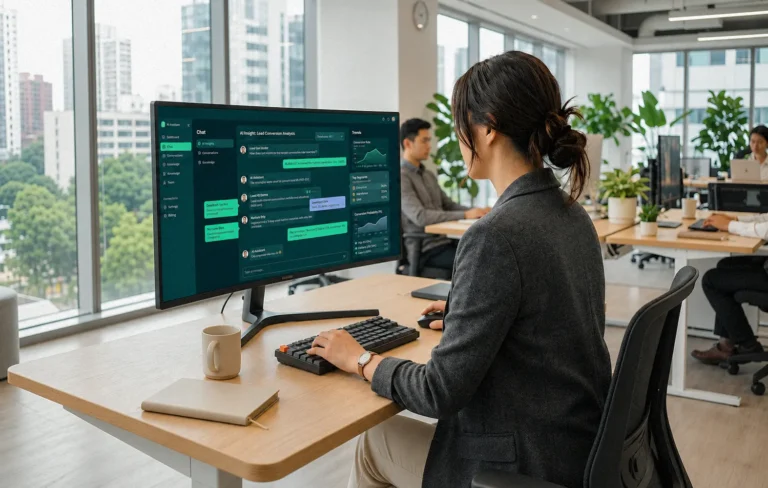

Some people carry the seed of who they want to become long before they reach a leadership position. Tania is one of them. Today, she leads the Business Intelligence team at Convertia, but her story doesn’t start with a job title. It begins with a question someone asked her in an interview over a decade ago—one that changed how she saw herself.
In honor of International Women’s Day, we sat down with her to discuss her career path, her leadership style, the challenges she has faced as a woman in the world of technology and data, and what makes her who she is beyond the screens and dashboards.
This is an honest, reflective conversation filled with insights for anyone looking to lead in Tech or BI.
The Moment it All Began
At what point did you realize you wanted to reach a leadership position?
About ten or eleven years ago, I went to a job interview at a government agency. I wasn’t applying for a leadership role, but the HR manager asked me what I was missing to be a good leader. I answered, very confidently, that I was missing the opportunity. From that day on, I held onto that idea: when I got the opportunity, I was going to make the most of it. It took several years before I reached that position, but I think deep down, it was always something I aspired to.
«I was missing the opportunity. And from onwards, I knew that when it arrived, I would seize it.»
What part of your personal history helped build the leader you are today?
My entire work experience. I’ve worked with many bosses, both men and women, and it involved a lot of observing and analyzing: seeing what they did that I didn’t like so I wouldn’t repeat it, and seeing what they did well so I could replicate it. My current position has also helped me understand why some leaders made certain decisions. I understand them now, and that helps me learn from their mistakes so I don’t apply them to my own team.
What does leading with purpose mean to you?
It means not limiting myself to telling the team what to do. It means explaining the «why» behind everything. When people understand why they are doing something, the work takes on a different weight. It’s not just doing for the sake of doing; it’s understanding the impact of your actions.
Convertia Culture: The vibe from day one
Do you remember the moment at Convertia when you truly felt our work philosophy?
From the very first day. I arrived at the offices and was surprised to see everyone so focused, yet working so well as a team. I liked that, being a smaller company, you immediately notice when someone isn’t doing their part, which motivates everyone to stay on top of their responsibilities. There is a lot of quality and many highly intelligent people here.
What impacted me most was the openness to new ideas. I remember arriving and almost immediately coming up with strategies. I proposed them to my manager, and shortly after, they were already in production. That ability to innovate quickly, to adjust, and to implement ideas felt very aligned with the company’s values.
What small actions make the culture in your area great?
Everyday actions. The whole team always has a great willingness to help one another. I’ve never seen anyone say «no» when asked for help. On the contrary, we are all saturated with work, yet there is always a «how can I help you?». Those small daily actions are what build trust. When mistakes happen, we look for how to fix them and how to prevent them from happening again, without looking for someone to blame. Accountability and mutual support: that’s what makes the team functional.
What do you do to make your team feel heard?
Communication, above all. I like to be the one to give them news firsthand so there is no uncertainty. But it’s not just about talking: I also listen. I ask them how they are as people, how they are doing, and how they feel. When someone on the team proposes something good, I tell them. And I don’t stay quiet: I share it with everyone and push for it to be implemented. Just as my manager did for me, I try to do for them.
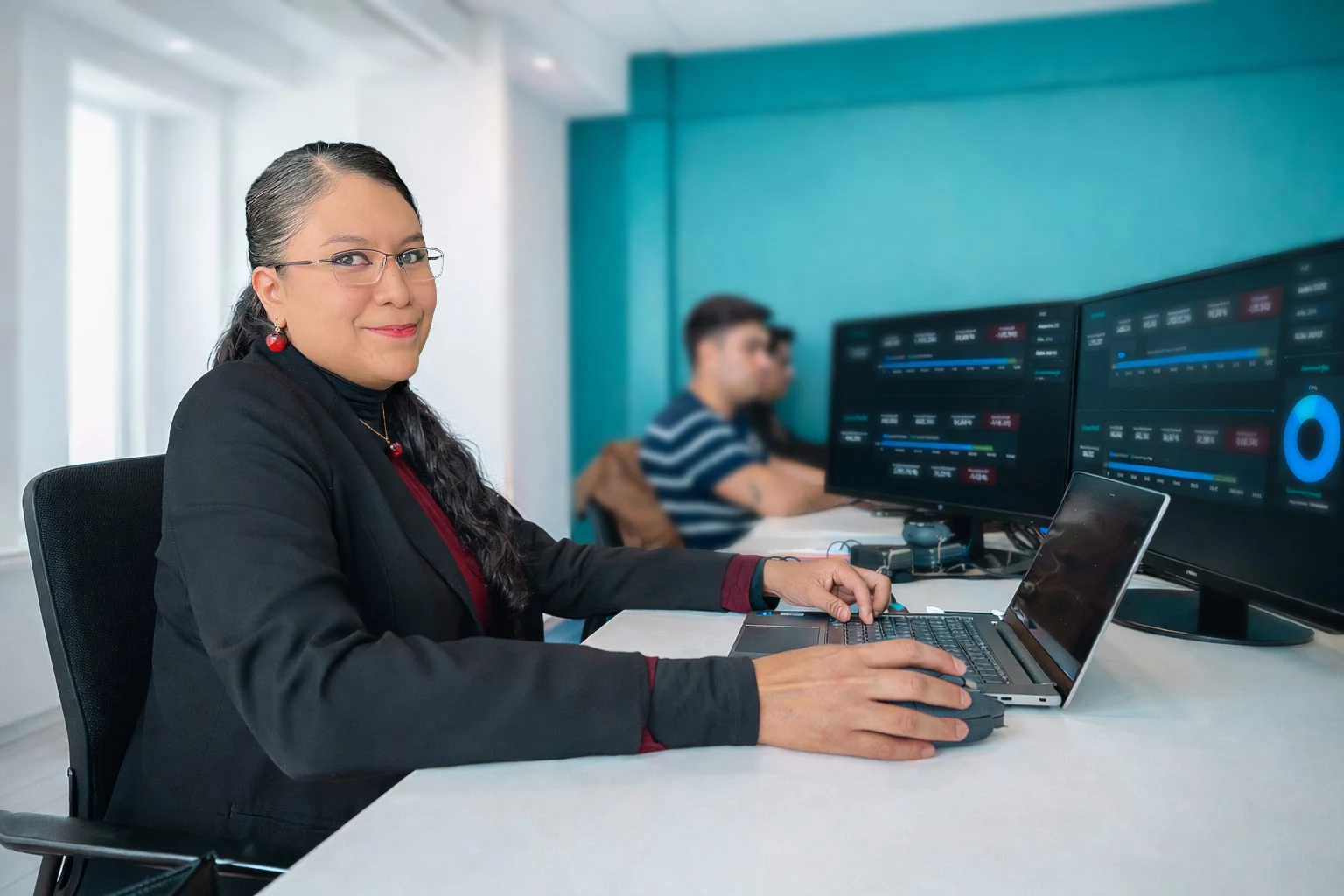
Being a woman in the world of tech and data
Did you ever feel you had to prove more because you are a woman?
More than just working harder, I ran into injustices. Salaries that weren’t distributed equitably, ideas that didn’t carry the same weight because they came from me, and situations where I did the work while others took the credit. What I did was complain and escalate the situation as far as I could. But some organizations don’t allow for adjustments because that’s how they are structured. When that happens, the only possible response is to find another place.
How did you transform that challenge into a strength?
By learning to value myself, my work, and my effort. There is a saying that left a mark on me: «A big fish in the wrong pond remains invisible.» When you’ve done everything you can and there are no changes, the only thing left is to find another pond. I found mine here at Convertia.
What stereotypes about women in technology would you like to break?
The one that says we are «too emotional» to make objective decisions. That sensitivity isn’t a weakness: it’s a different point of view that allows us to see things from another angle. The key is combining it with emotional intelligence, which, by the way, many men also lack.
How do you balance firmness and empathy in decision-making?
Emotional intelligence allows you to be empathetic and, at the same time, demanding when necessary. I do apply pressure when we have to deliver something: I explain why, what the consequence is, and what is at stake. And if the team gives an extra effort, I look for a way to reward it. The support is mutual—from them to me and from me to them.
Motivation, Recognition, and Balance
When your team does a good job, how do you motivate them to keep improving?
It costs me nothing to tell them their idea is excellent. And I don’t stop there: I look for how to apply it and how to adjust the process. Good ideas deserve to be recognized out loud, in front of the whole team. That creates a virtuous cycle: when people feel their ideas are heard, they keep proposing more.
What advice would you give to women to maintain a work-life balance?
Everything is important: work, family, friends, rest. Everything in its time. Apply mindfulness in the most practical sense: when I’m at work, I’m 100% there; when I leave, I truly disconnect.
«We work to live. We don’t live to work.»
Tania Beyond the Job
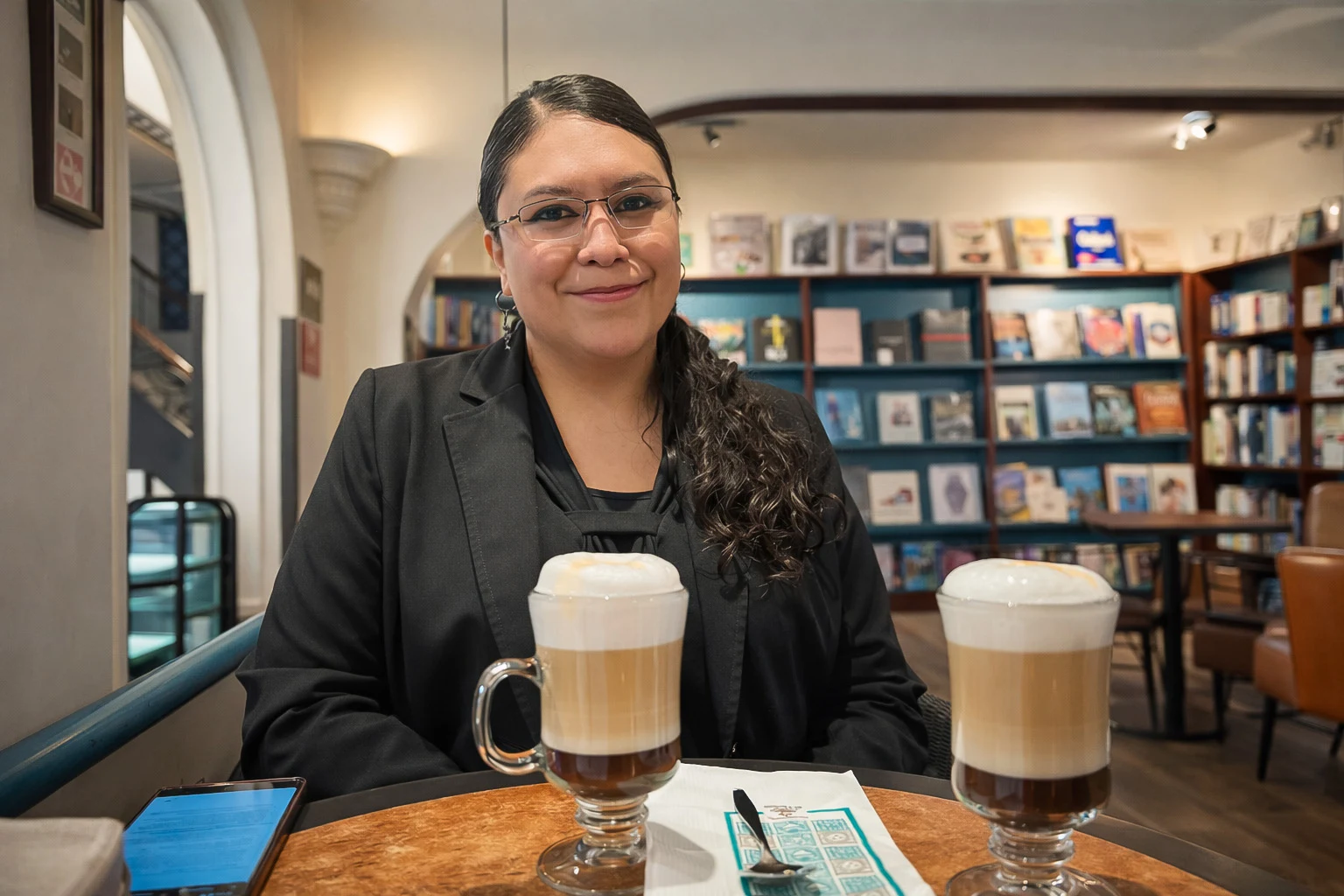
Who are you when you aren’t in front of a screen?
The analytical and observant side of me never goes away. But outside of work, I like to take things slow. I really enjoy personal spaces for reflection: at least once or twice a week, I escape to the park, observe nature, and rest my mind. During lunch hours, I don’t like to talk about work. I try to take things with a sense of humor and philosophy. In the end, what can be solved will be solved, and what is completely out of our hands… well, there’s nothing you can do. That perspective helps me a lot.
What makes you feel authentic?
Being consistent with what I say, think, and do. When you say one thing and end up doing another, you lose something very important: trust—both in yourself and from others. And that is very hard to recover. It’s not always comfortable. When you have to set a limit, bring order, or say something someone won’t like… you have to do it anyway. A phrase I heard once really stuck with me: «Uncomfortable conversations, comfortable life.»
What are you passionate about that few people know?
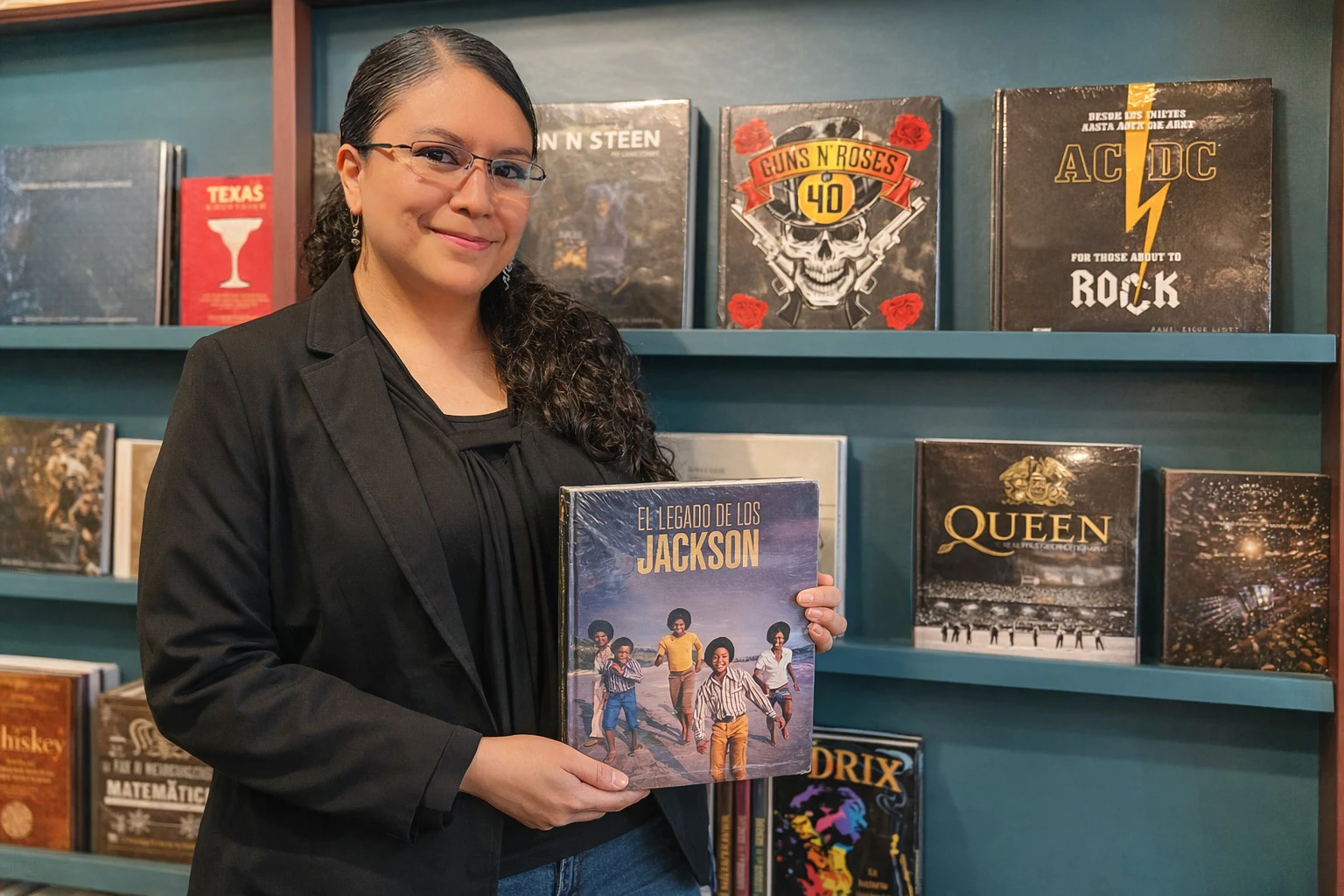
Music. I don’t have a fixed genre, but when I find a song that makes me feel something, it moves me. It goes against everything I’m used to: data, numbers, logic. And yet, it evokes so many emotions. I think that’s why I’m so hooked on it: it’s a small world where numbers don’t rule.
What did you learn outside of work that you apply to leadership today?
That no one is ever 100% right. That negotiating is not yielding or losing: it’s finding a point that is better for both. I learned this with friends, partners, and family. I apply it to my team: understanding that I am not perfect, that they have valid perspectives, and listening to them.
Thank you, Tania! 💚
Stories like yours remind us that leadership isn’t about a title, but a way of seeing the world and relating to people. That emotional intelligence is not a weakness, but one of our greatest strengths. And that finding the right «pond» changes everything.
At Convertia, we believe in people who dare to propose, who lead with purpose, and who know that we work to live. Today, and every day.